Monalisa: A Handwritten Font for Modern Design
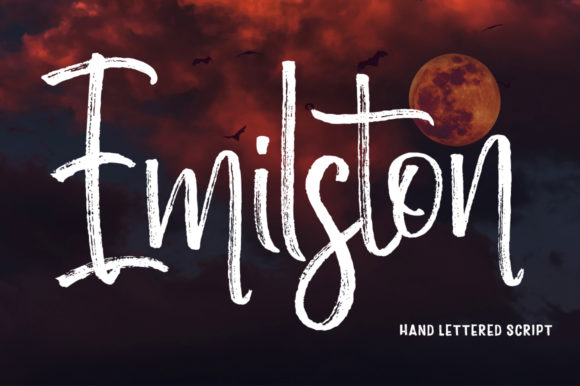
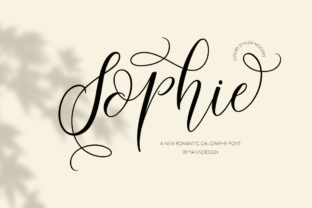
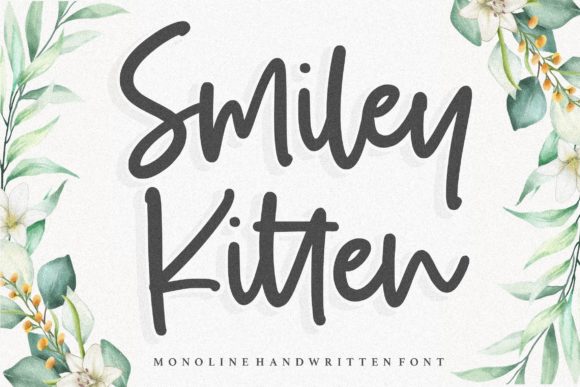
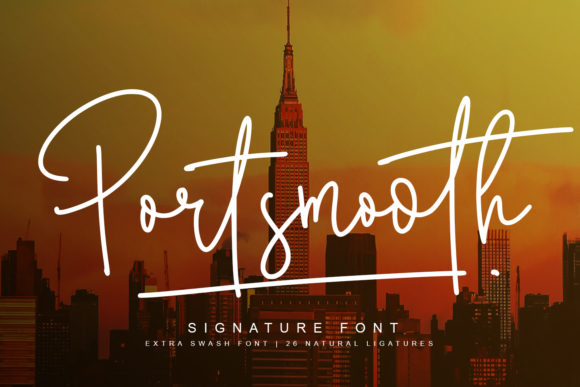
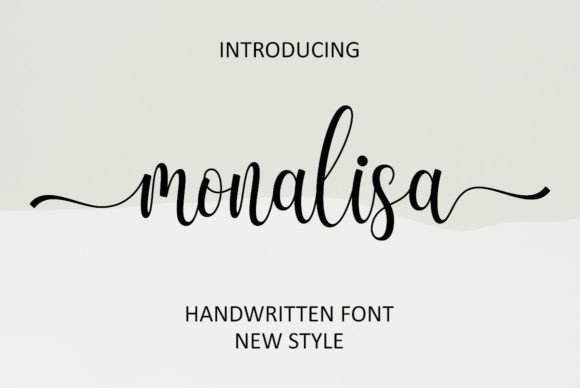
In the crowded landscape of digital typography, finding a font that feels both personal and professional can be a challenge. The Monalisa font bridges that gap beautifully, offering a simple, friendly handwritten style that instantly adds warmth and approachability to any project. Whether you're designing a wedding invitation, crafting a brand identity, or creating social media graphics, this versatile typeface has the potential to become your favorite creative asset. Its PUA encoding ensures every glyph and swash is easily accessible, streamlining your design workflow and unlocking a world of creative possibilities.
The Role of Authentic Typography in Visual Communication
Modern graphic design thrives on authenticity and emotional connection. In a world saturated with sterile, corporate fonts, a handwritten typeface like Monalisa injects a human element into visual communication. This is crucial for brands aiming to build trust and relatability. A font’s personality directly influences user experience (UX) and perception; a friendly script can make a brand feel more approachable, while a bold serif conveys tradition and authority. Monalisa, with its clean lines and legible letterforms, strikes a perfect balance, ensuring your message is delivered with both clarity and character.
Practical Applications Across Creative Projects
The utility of a well-crafted font extends far beyond a single use case. Monalisa’s adaptability makes it a valuable component in a designer’s toolkit for a wide array of applications.
- Branding and Logo Design: Use Monalisa to create logos, brand marks, or secondary wordmarks that feel personal and bespoke. It’s particularly effective for boutique businesses, lifestyle brands, and artisanal products seeking a handmade aesthetic.
- Marketing Materials: From brochure headlines to call-to-action buttons, this font can guide the viewer’s eye and highlight key information in print and digital advertising campaigns.
- Social Media Content: Create engaging Instagram stories, Pinterest pins, and Facebook ads that stand out in a feed. Its friendly style boosts user engagement and makes captions and quotes more shareable.
- Web and UI Design: While not for body text, Monalisa excels in web design for hero sections, pull quotes, and navigation labels, adding visual interest and improving the overall user interface (UI) aesthetic.
- Editorial and Packaging Design: Enhance magazine layouts, book covers, or product packaging with handwritten touches that convey craftsmanship and attention to detail.
Integrating Monalisa into Your Design Workflow
Effective use of any design asset requires thoughtful integration. When incorporating Monalisa, consider its role within your broader visual hierarchy. Pair it with a clean, neutral sans-serif for body text to maintain readability and contrast. Evaluate its performance across different scales—it should remain legible on a small business card and impactful on a large presentation slide.
Consistency is key to strengthening a brand identity. Use Monalisa strategically for specific elements, such as quotes, signatures, or subheadings, to create a recognizable visual language. Always test the font with your existing color palette and imagery to ensure it complements rather than competes. For digital products and merchandise, its PUA encoding allows for easy customization with swashes and alternates, enabling unique typographic designs without additional software.
Elevating Design Through Thoughtful Asset Selection
Choosing the right creative assets is a defining step in the design process. A font like Monalisa isn’t just a stylistic choice; it’s a functional tool that solves communication challenges. It helps establish visual hierarchy, directs audience attention, and reinforces the intended mood of a project. By prioritizing assets that offer both aesthetic appeal and practical versatility—like a PUA-encoded, multi-purpose font—you invest in a more efficient and effective design workflow.
Ultimately, the strength of a design lies in the synergy of its elements. Quality typography, when chosen with purpose, elevates a project from merely looking good to communicating effectively. It ensures your visual message resonates, engages, and leaves a lasting impression, proving that thoughtful design choices are fundamental to successful visual storytelling.