Applied Letters: A Handcrafted Typeface for Vintage Charm
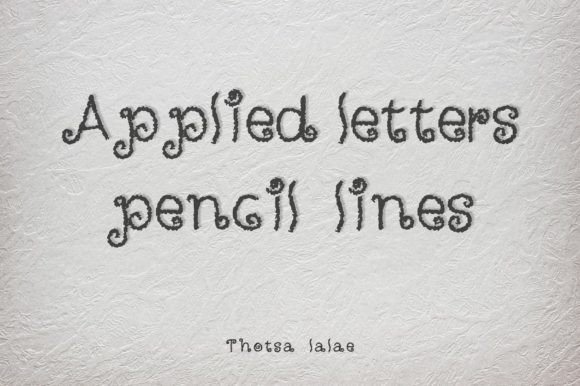
In an era saturated with sleek, digital-first typography, the authentic, hand-drawn character of Applied Letters offers a compelling visual refuge. This typeface, meticulously crafted using the pencil-drawn-by-hand method, captures a vintage vibe reminiscent of characters from antiquity, perhaps seen inscribed on an old map or a weathered treasure box. Its adorable and unique aesthetic provides a powerful tool for designers seeking to inject personality, warmth, and a narrative quality into their creative projects.
The Role of Distinctive Typography in Modern Design
Typography is a cornerstone of visual communication, directly influencing brand identity, user experience, and the overall impact of a design. While modern aesthetics often favor clean sans-serifs, incorporating a typeface like Applied Letters can create a striking contrast and a memorable focal point. Its handcrafted nature bypasses the cold uniformity of some digital fonts, fostering an immediate emotional connection with the viewer. This makes it an invaluable asset for projects aiming to convey authenticity, craftsmanship, or a story-rich atmosphere.
Practical Applications for Creative Professionals
The versatility of Applied Letters extends across numerous design disciplines. Its unique character can elevate a wide array of projects, providing that sought-after vintage charm and handcrafted feel.
- Branding and Logo Design: Ideal for brands in artisanal goods, boutique hospitality, adventure gear, or storytelling-focused enterprises. It helps build a distinct brand identity that feels personal and trustworthy.
- Marketing Materials & Social Media: Creates eye-catching headlines for posters, flyers, and social media graphics. Its texture ensures designs stand out in a crowded feed, enhancing engagement for digital marketing campaigns.
- Editorial and Web Design: Use it for chapter headings in books, magazine titles, or as impactful display text on websites. When paired with a readable body font, it establishes a strong visual hierarchy and adds character to editorial layouts.
- Packaging and Merchandise: Perfect for product labels, packaging design, and merchandise like t-shirts or mugs. The typeface suggests quality and care, aligning perfectly with products that have a handmade or heritage-oriented story.
- Presentations and Digital Products: Break free from generic slide templates. Using Applied Letters for key titles in presentations or within digital product interfaces can make content more memorable and visually engaging.
Integrating Applied Letters into Your Design Workflow
To maximize the effectiveness of such a distinctive font, thoughtful implementation is key. Always consider the broader context of your design goals and audience expectations.
First, ensure compatibility with your existing brand systems. Applied Letters works best as a display or headline font, paired with a simpler, highly legible typeface for body text to maintain readability. Consider your color palette; its vintage lines often complement muted, earthy tones or classic color schemes, though it can also pop against modern, bold backgrounds for a fusion aesthetic.
Evaluate the specific weight and style needed. Does the project call for a more rugged, sketchy texture or a softer, rounded hand? Test the font at various sizes to ensure it scales well for its intended use, whether for a small social media icon or a large-format print. Finally, use it with purpose. Let it anchor a design piece and tell a story, rather than using it indiscriminately, to maintain its special impact and support a clear visual hierarchy.
Thoughtful design choices are what separate good work from great. Selecting a creative asset like Applied Letters is not merely about choosing a pretty font; it's about investing in a visual language that can deepen communication, strengthen brand recall, and transform a standard design into a resonant experience. Quality typography and curated creative assets are fundamental to achieving both aesthetic excellence and clear, effective messaging in any professional project.