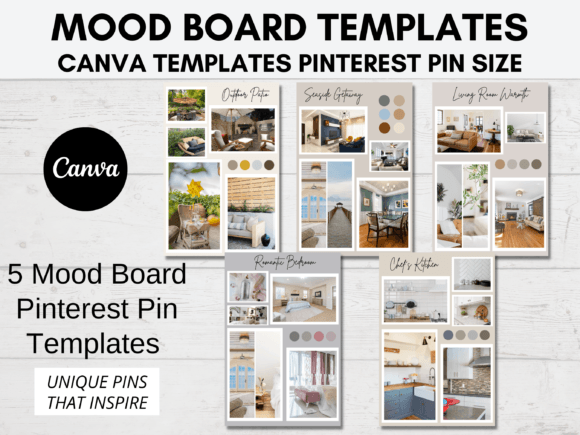
Mood Board Template for Canva Pinterest: Streamline Your Visual Design Process
Imagine capturing the essence of a brand, project, or campaign in a single, cohesive visual snapshot. That is the power of a well-crafted mood board. For designers, marketers, and creators, the Mood Board Template for Canva Pinterest is more than a collection of images; it is a foundational tool for visual communication. It establishes the aesthetic direction, defines the color palette, and sets the typography tone before a single pixel of a final design is created. This process is crucial for aligning creative vision with client or stakeholder expectations, ensuring everyone is inspired and on the same page from the outset.
The Strategic Role of Mood Boards in Modern Design
In the fast-paced world of graphic design and digital marketing, efficiency and clarity are paramount. A mood board acts as a visual brief. It translates abstract ideas like "modern," "organic," or "luxurious" into tangible references for imagery, fonts, and color combinations. This practice is fundamental to building a strong brand identity. By exploring textures, layouts, and design trends in a structured format, you can experiment with different aesthetics without committing extensive time or resources. It allows you to test how a color palette interacts with specific typography or how various images evoke a particular emotion, all before diving into the detailed work of logo design, web design, or packaging design.
Practical Applications Across Creative Projects
The versatility of a mood board template extends across virtually every creative discipline. It is an indispensable asset for streamlining your design workflow and ensuring a polished, professional presentation.
- Branding and Logo Design: Define the core visual elements—type styles, iconography, and color schemes—that will form the basis of a comprehensive brand identity system.
- Marketing and Social Media Graphics: Plan cohesive campaigns for platforms like Pinterest and Instagram. A mood board ensures your visual content maintains consistency, improving user engagement and recognition.
- Website and UI Design: Map out the visual hierarchy, interactive elements, and overall aesthetic of a digital interface, contributing to a better user experience (UX).
- Editorial and Print Design: Conceptualize the layout, imagery, and typography for magazines, lookbooks, or brochures, ensuring the editorial design feels intentional and immersive.
- Packaging and Merchandise: Explore how visual elements will interact with physical forms, materials, and finishes to create compelling product packaging.
How to Use Mood Board Templates Effectively
Simply assembling attractive images is not enough. The effectiveness of a mood board lies in its curation and clarity. When using a template, focus on creating a narrative that communicates a specific feeling or concept. Select images that not only look good together but also represent the desired user emotion and functional goals. Consider the scalability of your chosen elements. Will that intricate pattern work for a small favicon? Is the color contrast sufficient for accessibility in web design? Use the board to evaluate how typography pairs with imagery—does a bold sans-serif font complement the modern aesthetic you're aiming for?
Treat the mood board as a living document. It is a tool for exploration and refinement. Add notes explaining why certain elements were chosen. This practice is especially valuable when collaborating, as it provides clear rationale for design decisions, bridging the gap between creative intuition and strategic communication.
Ultimately, investing time in thoughtful visual planning with a resource like a Mood Board Template for Canva Pinterest elevates the quality of your final output. It transforms the creative process from guesswork into a guided journey, ensuring that every design decision—from the broadest color field to the finest typographic detail—contributes to a unified, impactful, and professional result that resonates with your audience.