Wood Style: A Typographic Solution for Authentic Design
Capturing the raw, organic essence of nature in a digital design often hinges on the right typography. For designers seeking to inject warmth, texture, and a handcrafted feel into their work, Wood Style emerges as a compelling display font. Built upon the foundational theme of wood, this typeface is engineered to evoke a sense of authenticity and natural beauty, making it an invaluable asset for projects that demand a connection to the environment or a rustic aesthetic.
The Visual Power of Wood-Inspired Typography
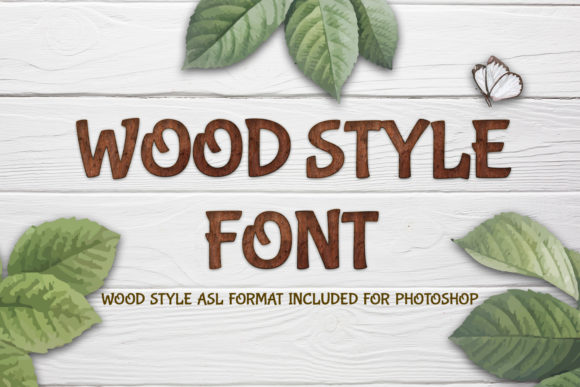
In modern graphic design, typography is more than just legible text; it's a critical component of visual communication. A font like Wood Style functions as a visual shorthand for concepts like sustainability, craftsmanship, and organic quality. Its textured letterforms mimic the grain and imperfections of natural wood, instantly adding depth and character that clean, sans-serif fonts cannot replicate. This makes it a powerful tool for establishing a strong brand identity that resonates on an emotional level.
Practical Applications Across Creative Projects
The versatility of a thematic display font allows it to shine across numerous design contexts. Its robust, earthy character is particularly effective in the following areas:
- Branding and Logo Design: Perfect for businesses in outdoor apparel, artisanal goods, eco-friendly products, or farm-to-table restaurants. Wood Style helps create a memorable logo design that communicates core values at a glance.
- Packaging Design: Elevates product presentation on shelves, especially for items like coffee, craft beer, or natural skincare, where the packaging reinforces the product's natural origins.
- Marketing and Social Media Graphics: Grabs attention in digital feeds. Use it for headline text on Instagram posts, Facebook banners, or digital advertisements to create a cohesive and thematic visual hierarchy.
- Editorial and Web Design: Ideal for feature headlines in magazines, blogs focused on nature or DIY projects, or hero sections on websites. It sets a definitive tone while complementing simpler body copy for readability.
- Environmental and Event Design: Creates impactful signage, posters, and invitations for outdoor events, farmers' markets, or environmental campaigns, seamlessly blending with the subject matter.
Integrating Wood Style into Your Design Workflow
Effective use of a display font like Wood Style requires thoughtful integration into your broader design workflow. Consider these tips for achieving a polished and professional result:
- Prioritize Readability and Scale: As a display font, it's optimized for larger sizes. Use it for headlines, titles, and short phrases. For body text, pair it with a highly legible sans-serif or serif font to maintain a clear visual hierarchy and ensure user experience (UX) isn't compromised.
- Curate Your Color Palette: Complement the font's organic texture with a color scheme drawn from nature. Earthy tones, forest greens, sky blues, and warm neutrals will enhance its authenticity. Ensure sufficient contrast for accessibility, especially in UI design and web applications.
- Align with Audience Expectations: This font communicates a specific aesthetic. Confirm that this style aligns with your target audience's preferences and the overall design goals of the project. It's a powerful choice for certain niches but may not suit minimalist corporate communications.
- Explore Texture and Composition: Leverage the font's texture by pairing it with other natural elements like grainy photo filters, subtle paper backgrounds, or hand-drawn icons. This creates a cohesive and immersive visual design experience.
Ultimately, the strength of any creative asset lies in its ability to serve the project's communication goals. Thoughtful typography selection is a cornerstone of effective design, directly influencing brand perception, audience engagement, and the clarity of your message. By choosing assets like Wood Style that align with your narrative, you invest in the quality and impact of your visual communication, ensuring your creative projects not only look distinctive but also connect meaningfully with their intended audience.